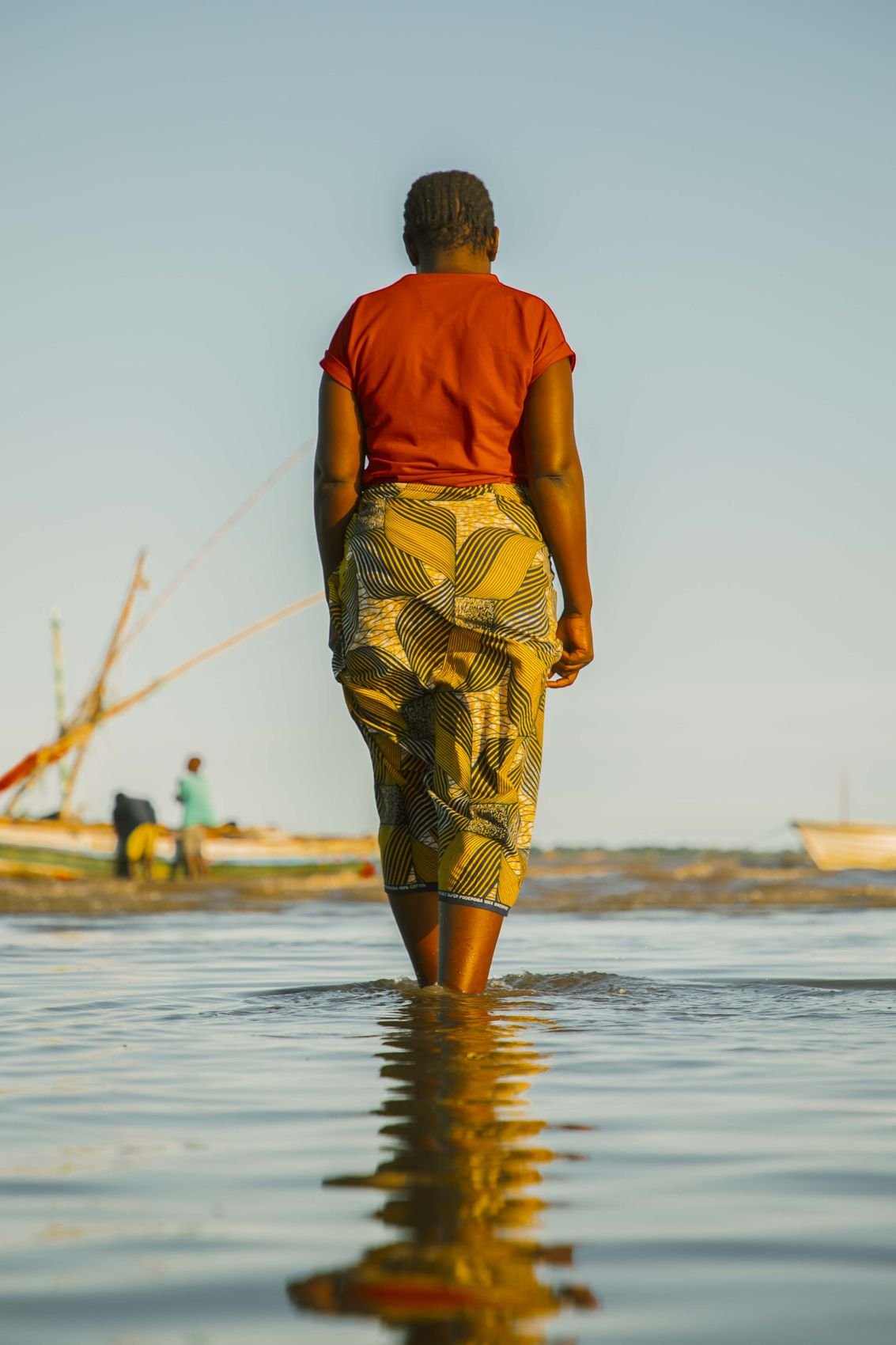
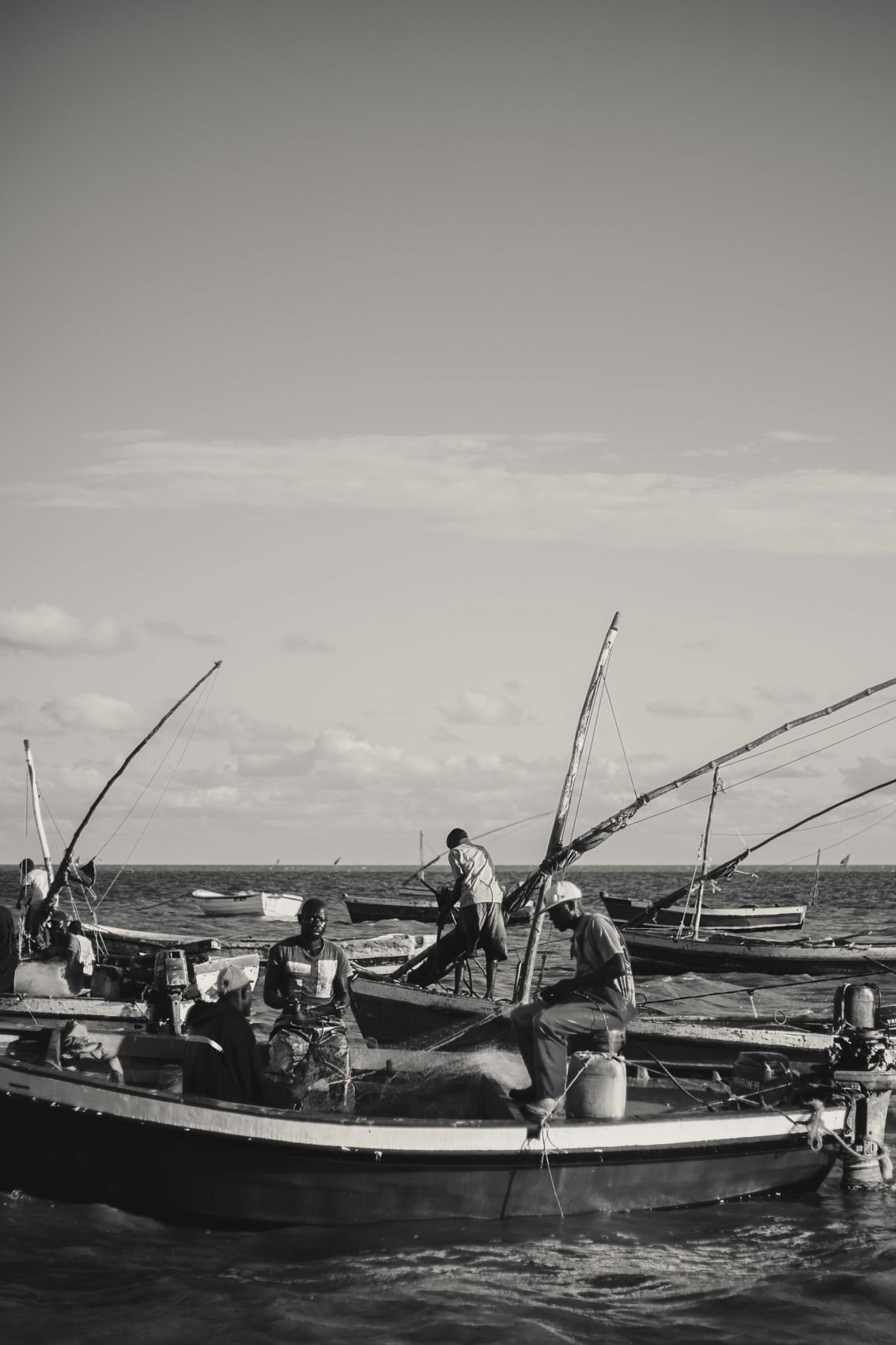
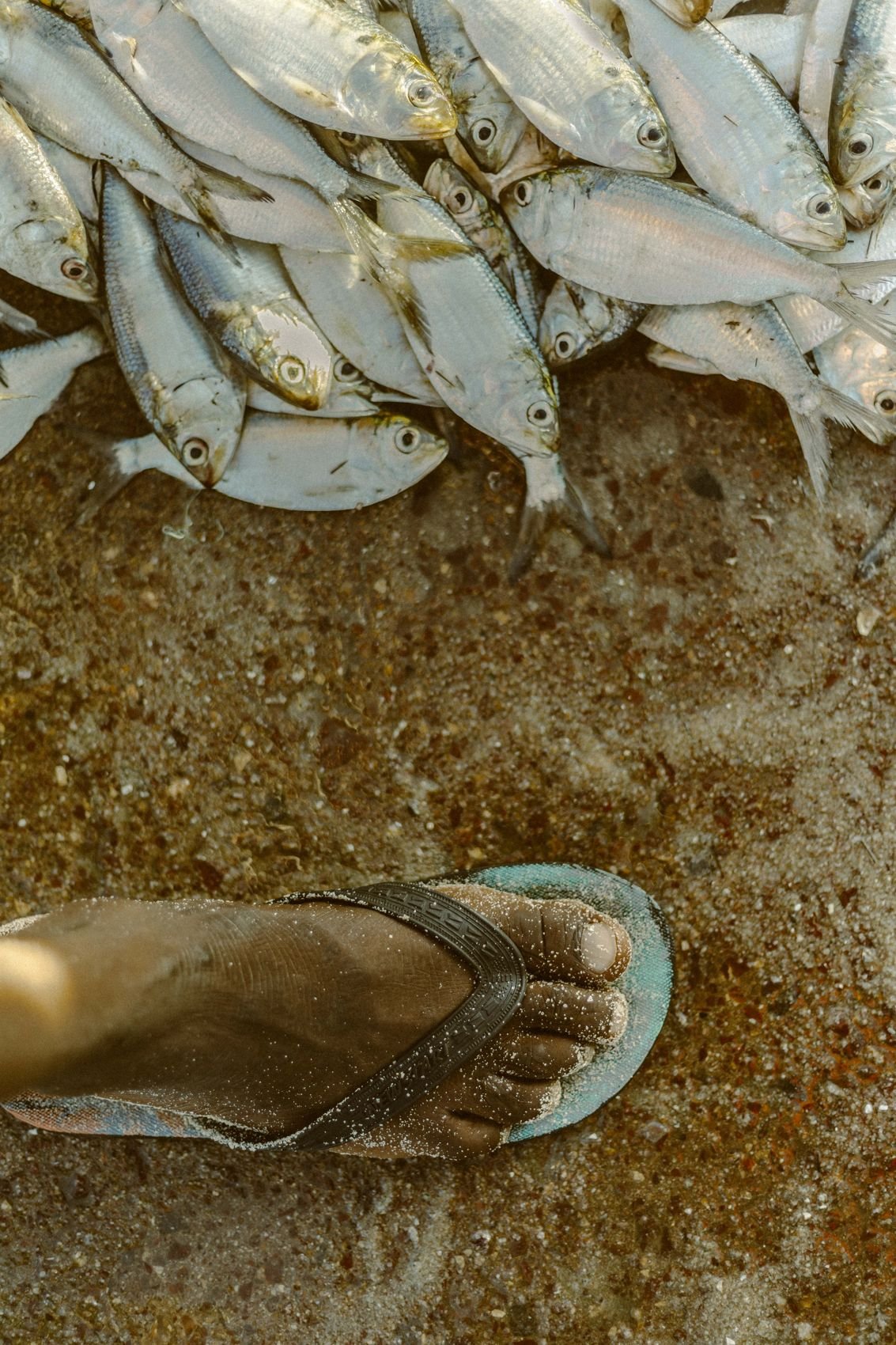
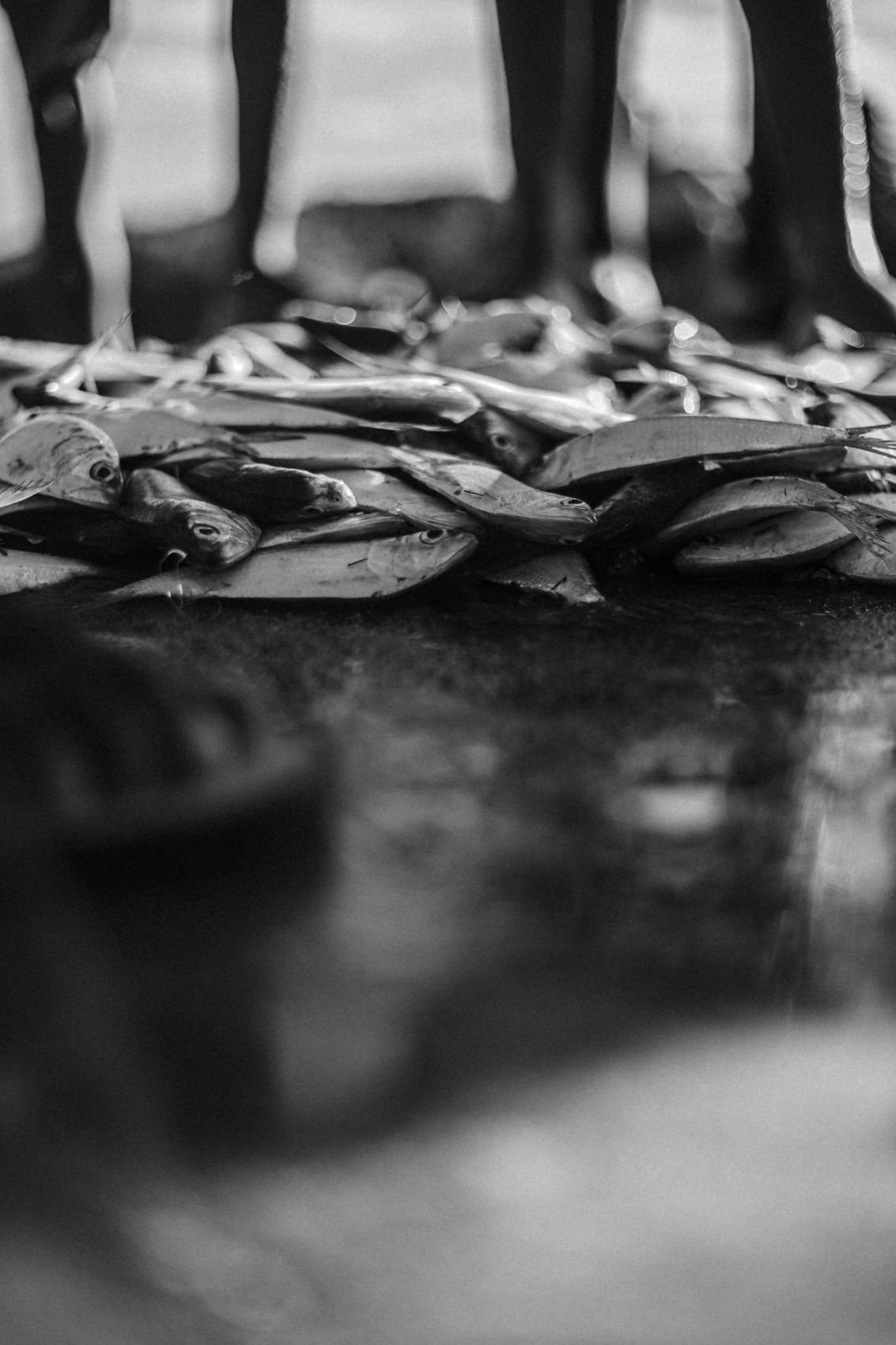
The fish arrive wet from the Indian Ocean before Maputo is fully awake. By the time traffic thickens on the avenues and the restaurants along Costa do Sol light their stoves, the women of Bairro dos Pescadores have already bought, bargained and sold.
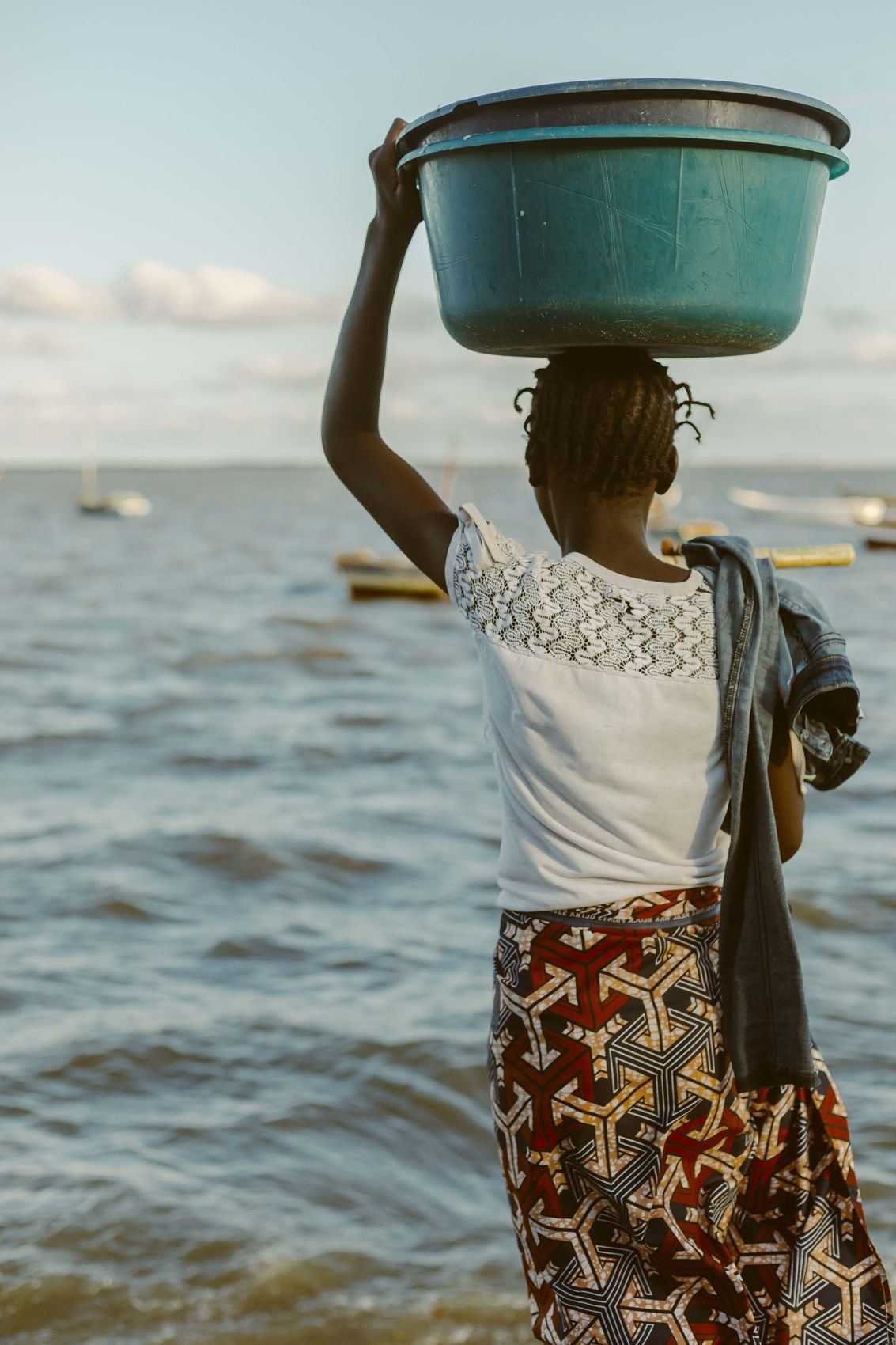
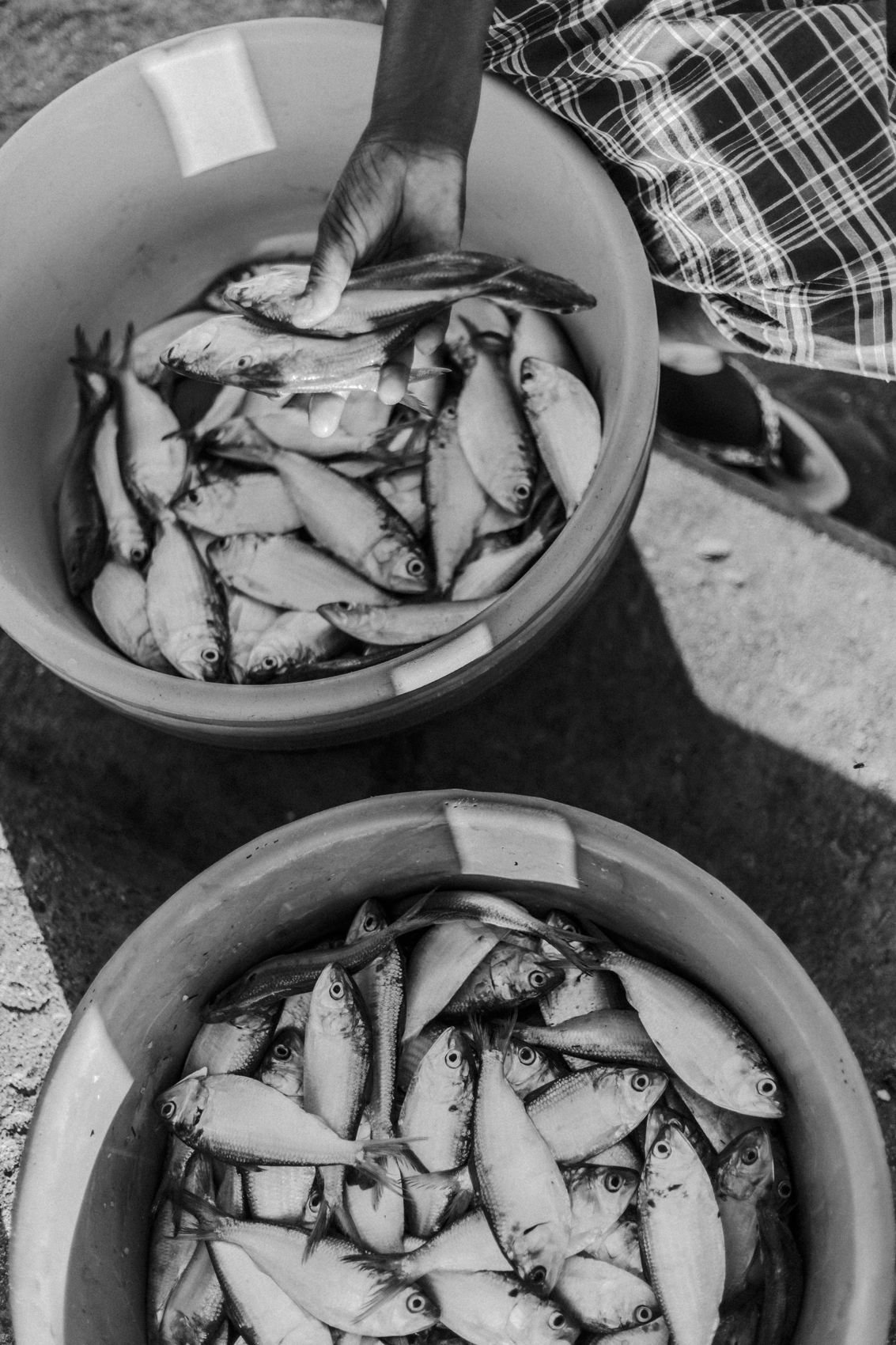
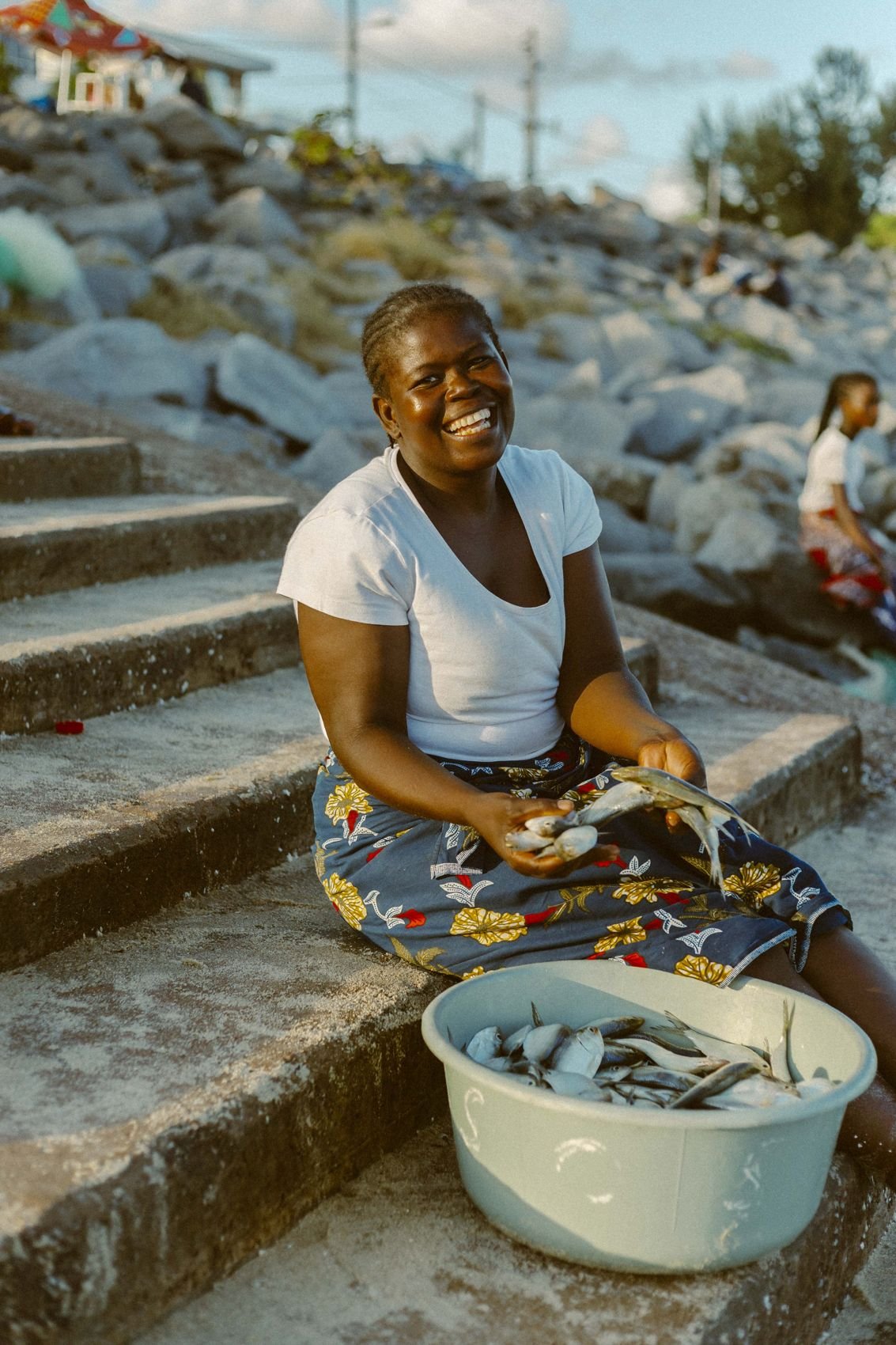
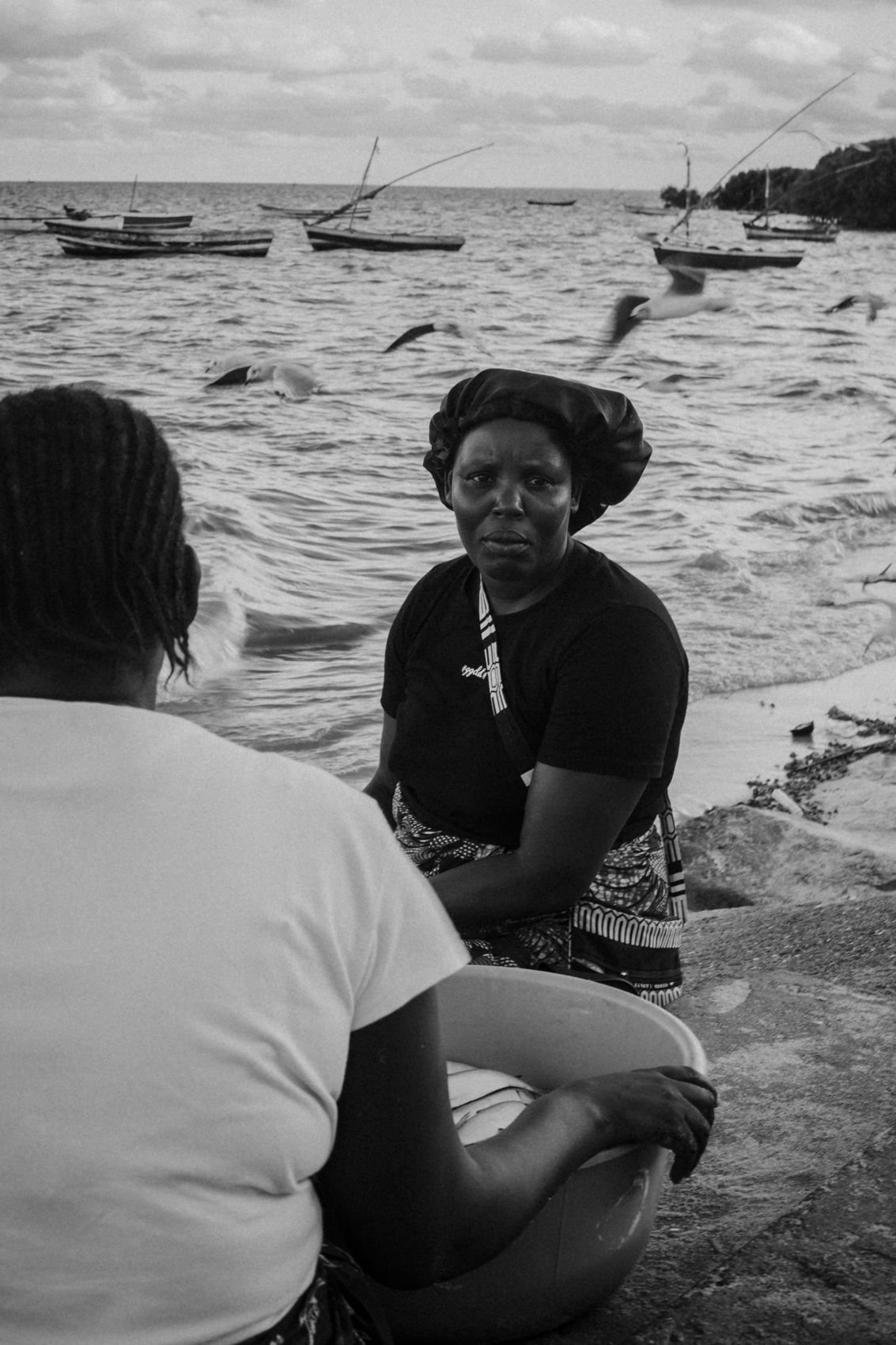
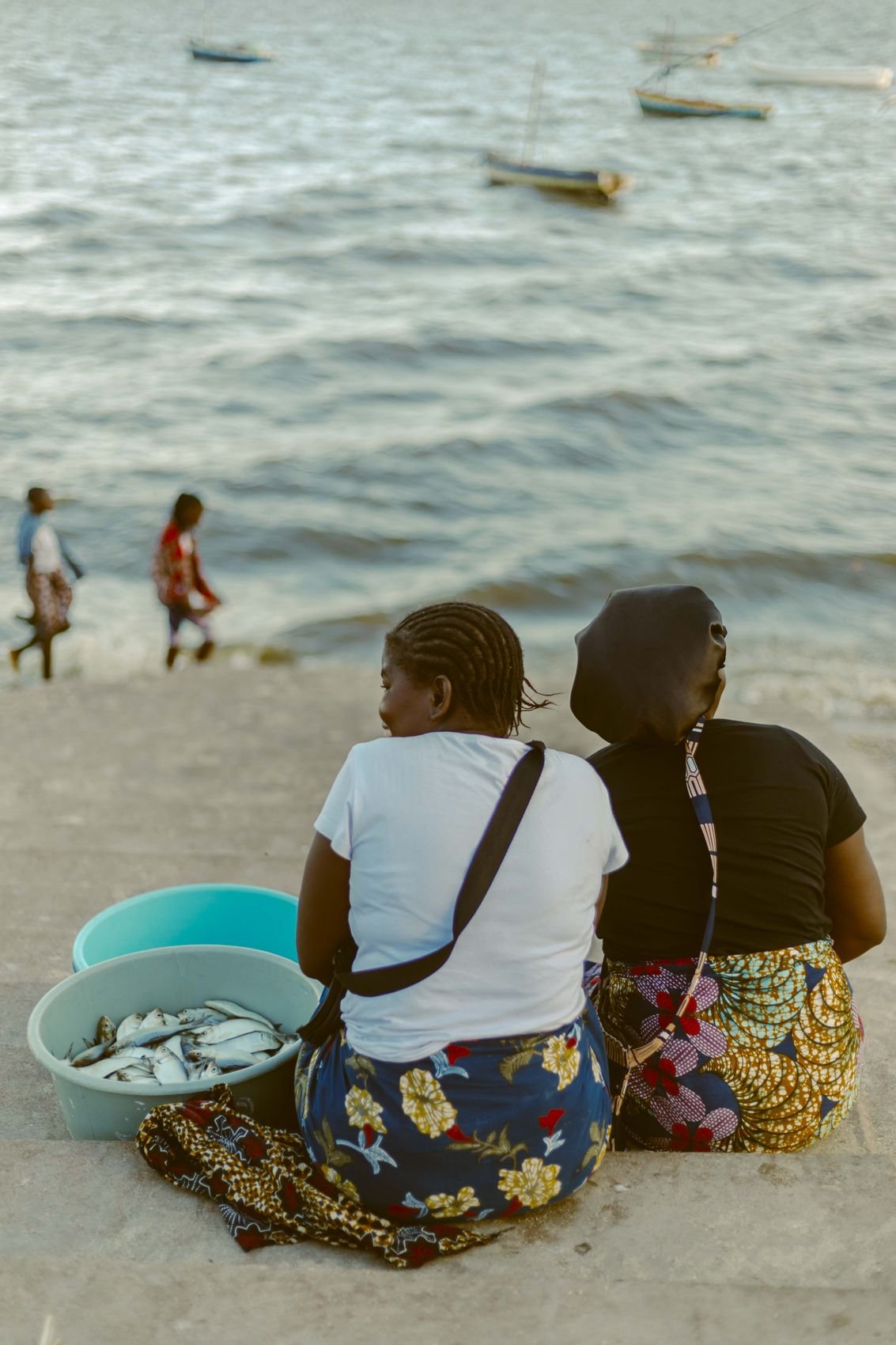
Emília Pedro Massequese is one of them. For the past decade, she has bought fish straight from the fishermen who land their catch here and resold it to households and to the small local restaurants that rely on the day’s fresh catch.
On a good day, she sells a box, about two basins of fish, and keeps roughly 700 meticais in profit, a little over $11. That money supports seven people.
Her trade is small. What it holds up is not. Across sub-Saharan Africa, 86 percent of all jobs are informal, according to the International Labour Organization, and among working women the share is close to 90 percent. In Mozambique, according to the World Bank, the informal sector accounts for the overwhelming majority of work. These jobs come with no contract, no pension, no health insurance and little access to credit. For many women, they are not a choice. They are the only way to earn a living.
01One income, eight people
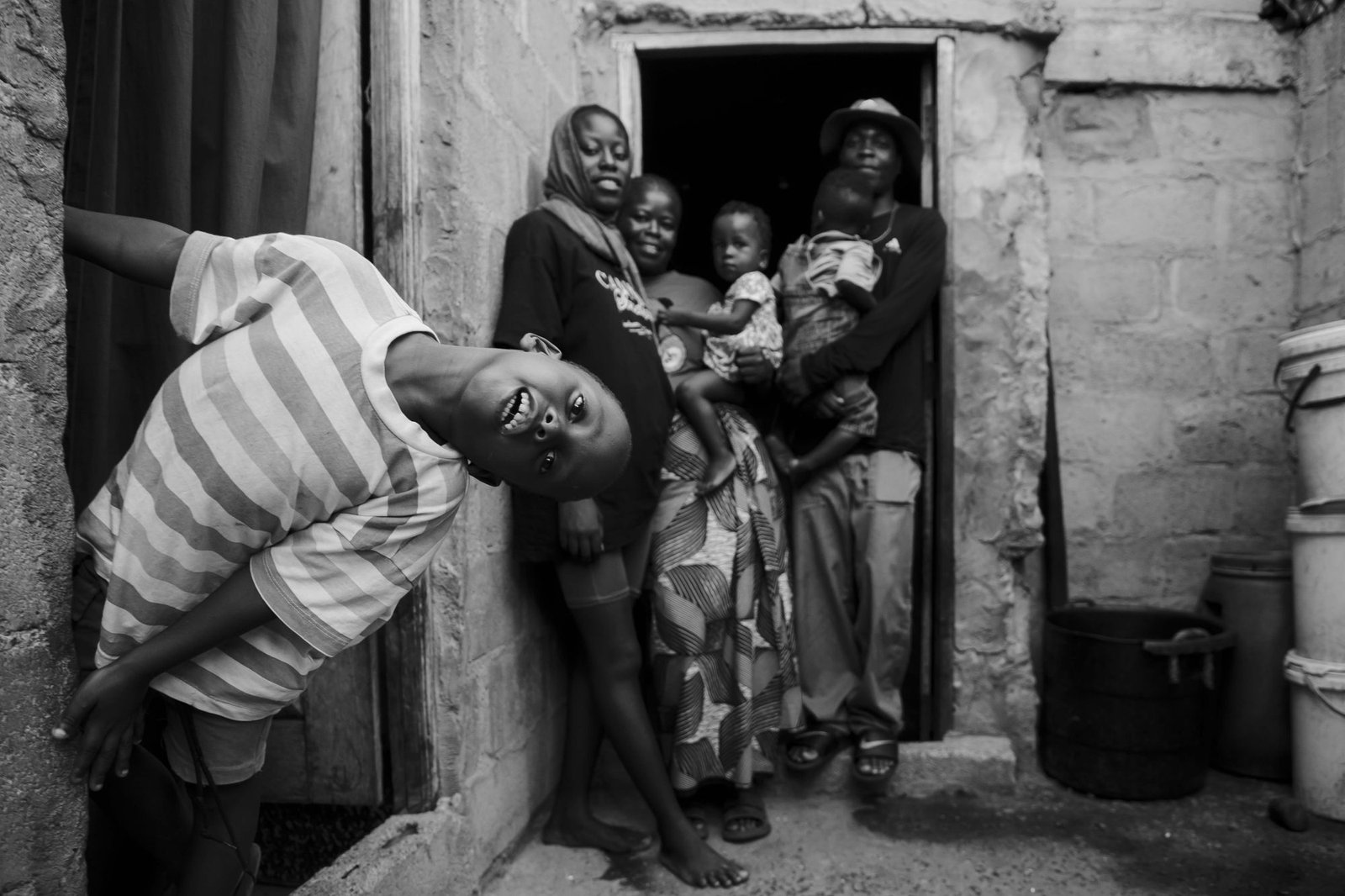
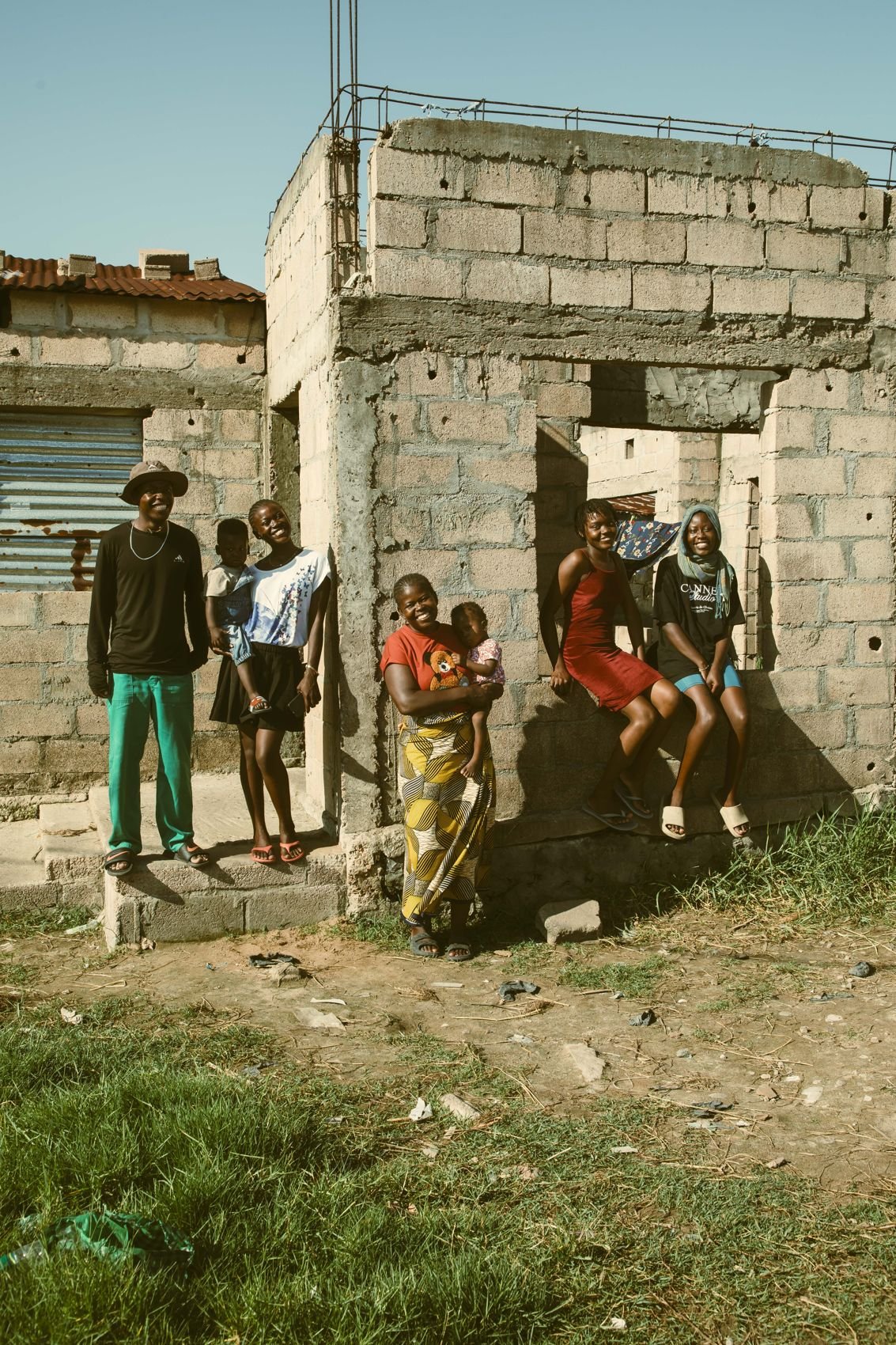
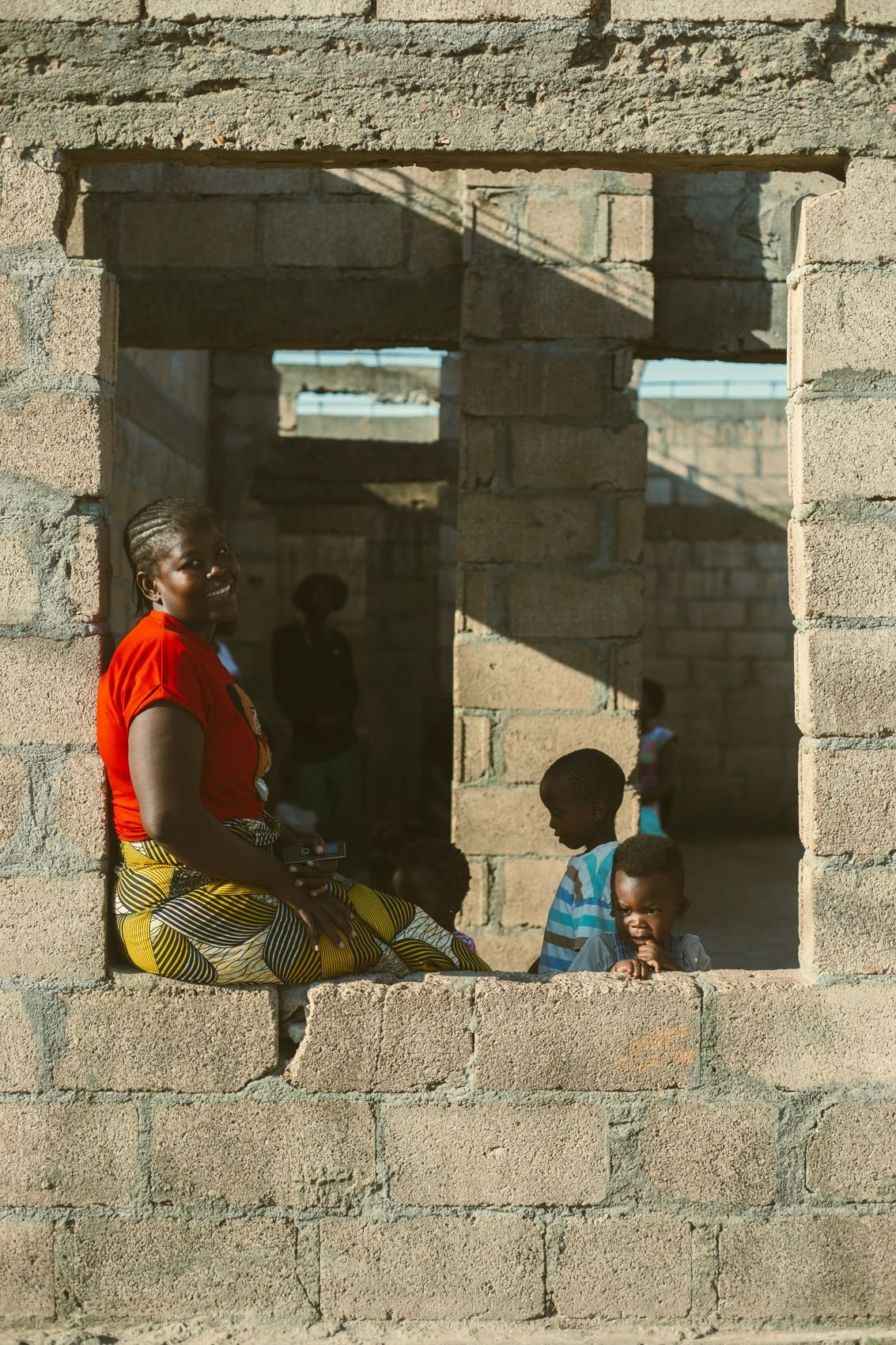
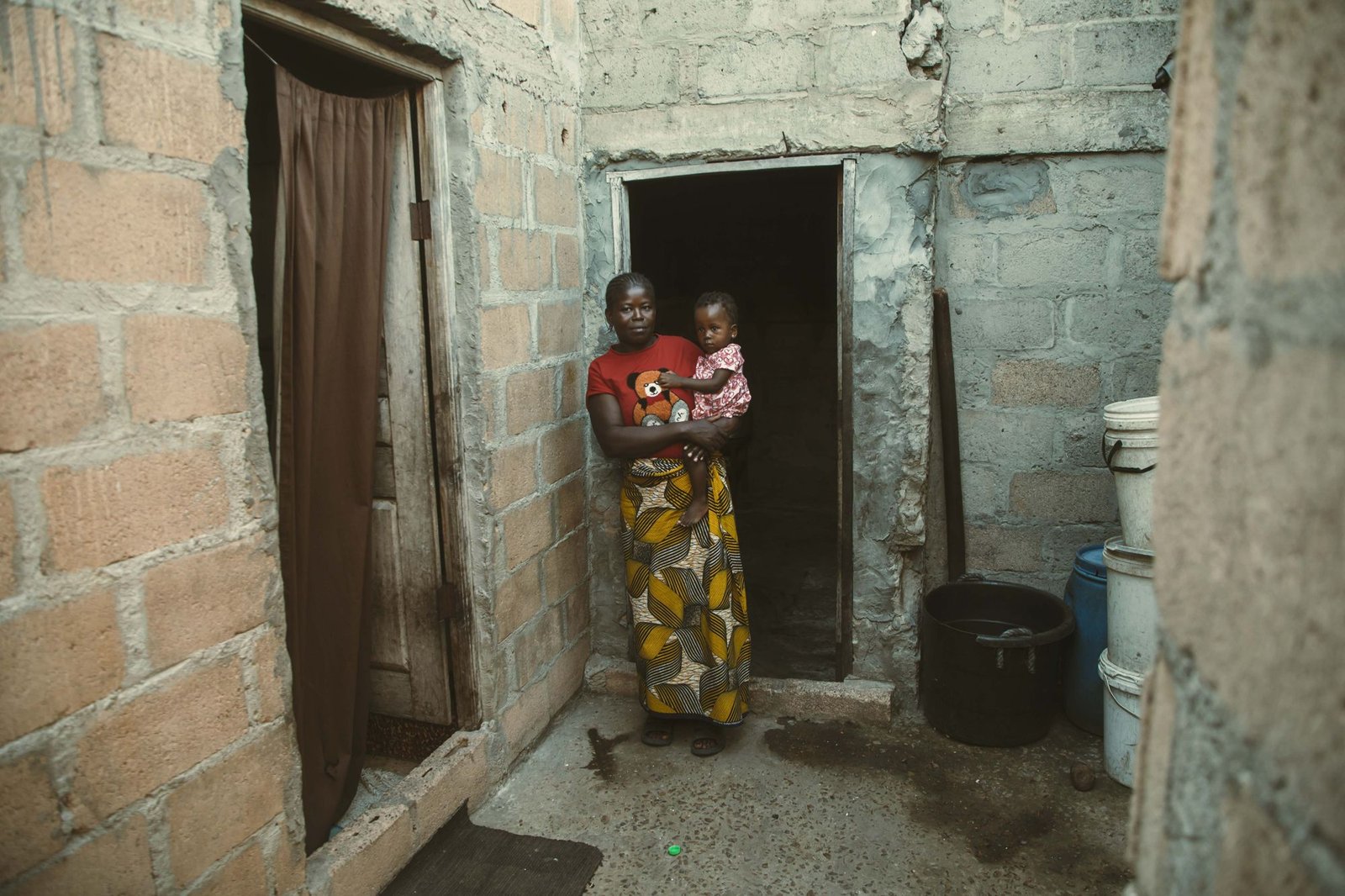
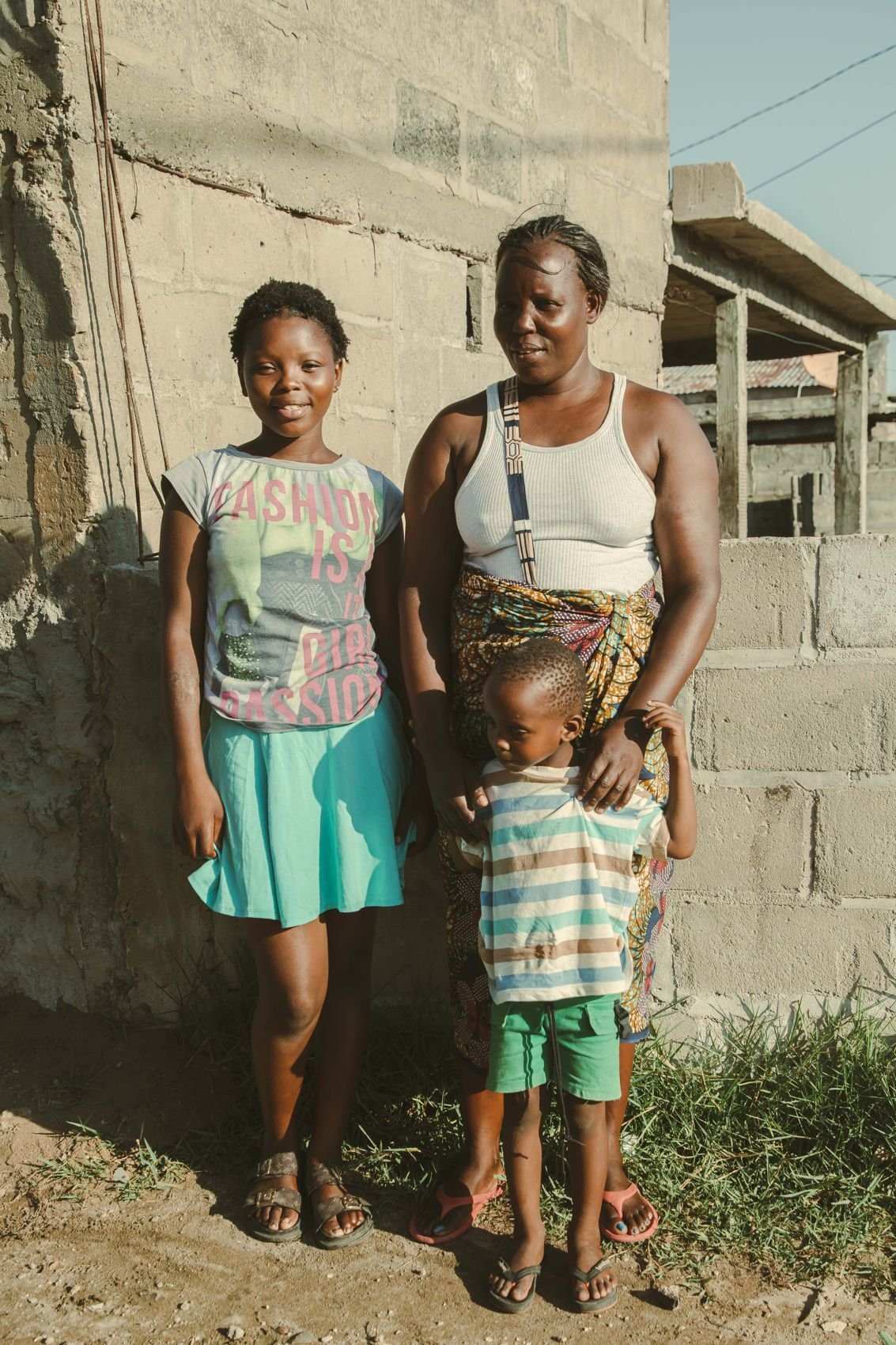
Ms. Massequese was born in Maputo province in 1985 and grew up in Hulene, on the city’s outskirts. Today she lives in Lihaze, in Costa do Sol. Her husband left the family, and with him went any share of the bills. She now provides, alone, for four children, two grandchildren and a daughter-in-law.
Her eldest son, 23, is out of work. The second, 21, takes odd jobs as a gardener to ease the pressure on his mother. Her daughter, 19, finished the 10th grade but could not afford to continue. The youngest, 8, is in third grade. Her daughter-in-law left school after the eighth grade.
Split eight ways, a good day’s profit comes to less than $1.40 a person. A storm, a poor catch or an illness can erase weeks of income. There is nothing to fall back on.
About 700 meticais in profit, from one box of fish.
People who depend on it: four children, two grandchildren and a daughter-in-law.
Share of working women in sub-Saharan Africa whose jobs are informal. Source: ILO, 2024.
02Taught at home
Ms. Massequese did not learn her trade from a course or a manual. She learned it from her cousin, Flora, 40, who has sold fish on this beach for 14 years. Flora supports five children and her husband, a painter whose work is irregular and poorly paid.
Flora, in turn, learned from an aunt. The knowledge has moved through the women of one family, at home and on the sand: which fishermen to buy from, how to judge a catch, what a box will fetch. None of it is written down.
The training is practical. The inheritance is experience.
03Invisible, not marginal
Development reports tend to discuss women’s empowerment in the language of programmes and campaigns. On this beach it looks different. It looks like women who are up before the city, who bargain hard, who do the sums in their heads, and who make sure their children eat at least once a day and stay in school when there is money left over.
Their work is easy to overlook because it is so ordinary. Yet every day, without a licence, a loan or any formal recognition, the women of Bairro dos Pescadores keep fresh fish moving from the boats into the city’s homes and kitchens.
Ms. Massequese does not call herself an entrepreneur. She calls it her negócio, her business. It gives her a measure of independence, inside very tight limits, earned one box of fish at a time.
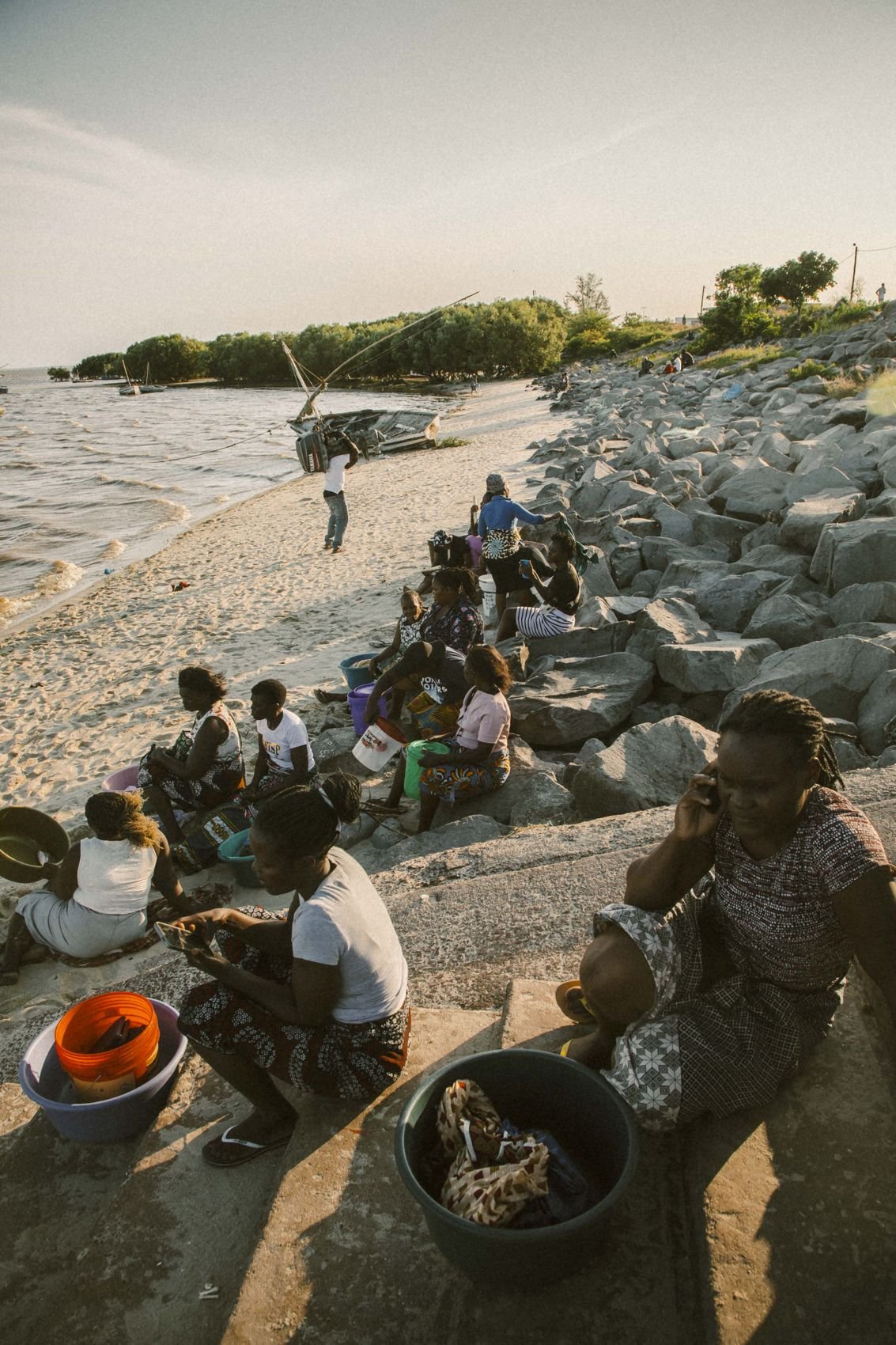
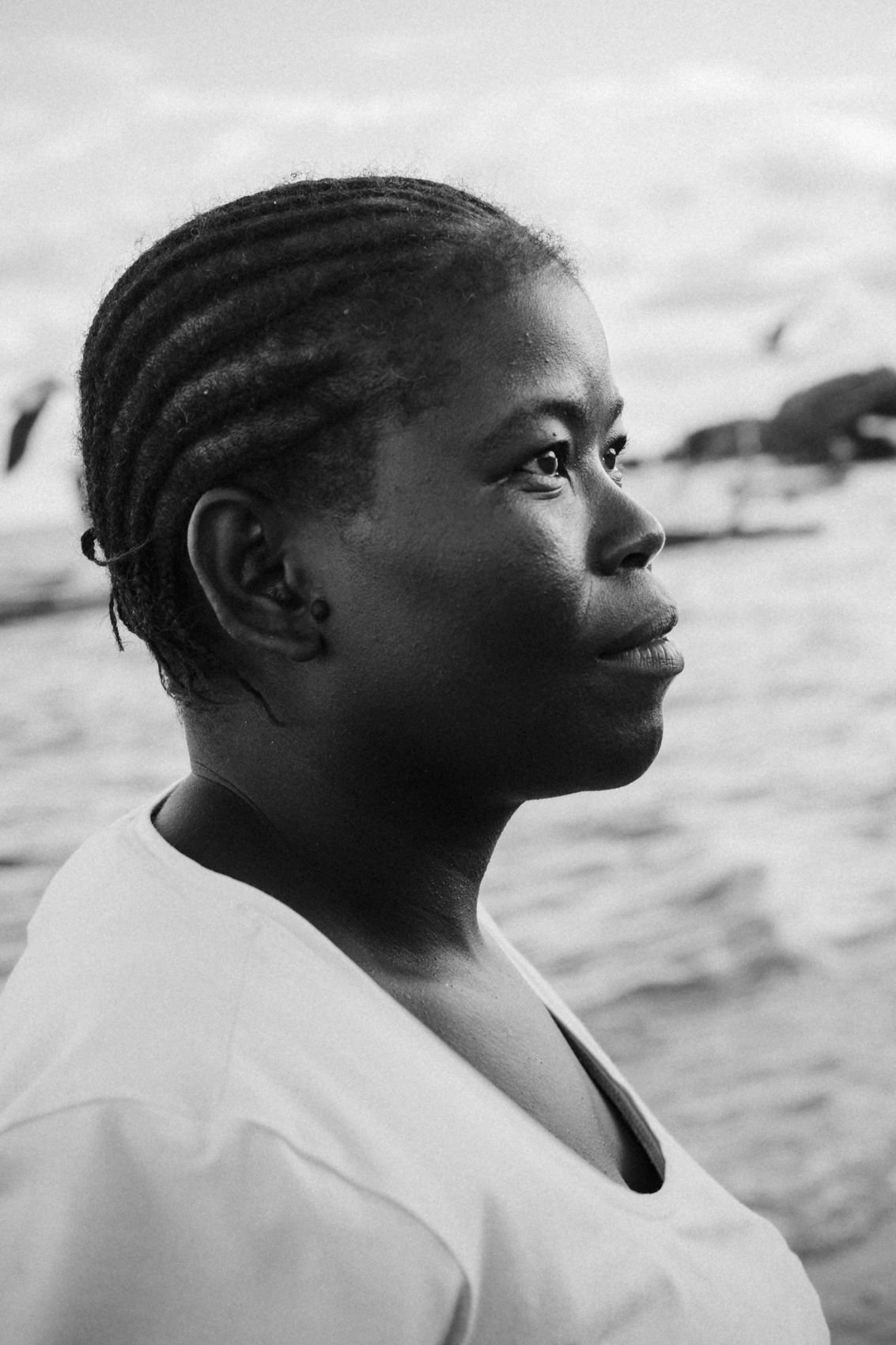
In the evening, the smell of fish settles into the salt air off the bay. The next morning, before Maputo wakes, she is back on the beach.

FIELDHow this story was made
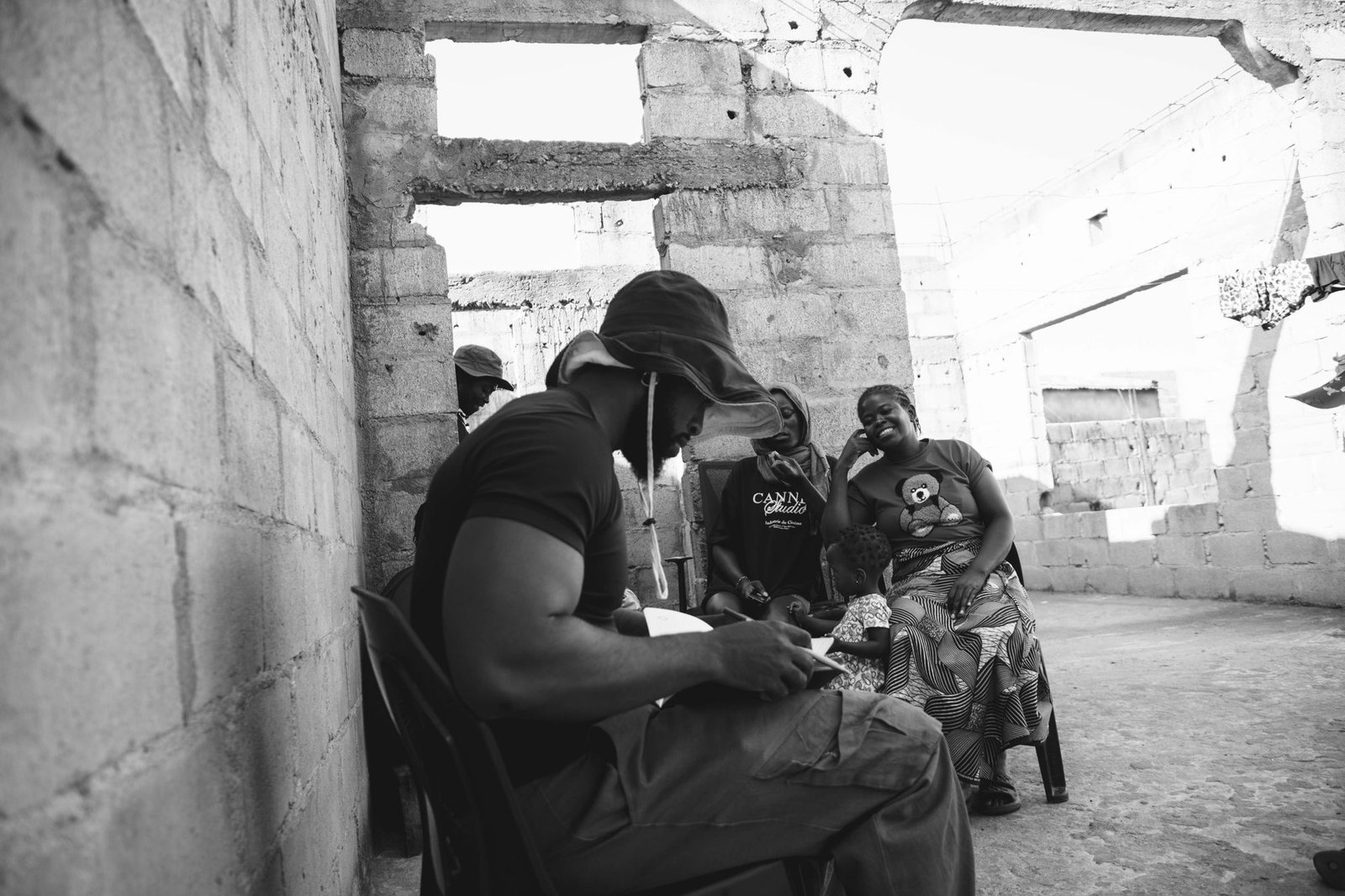
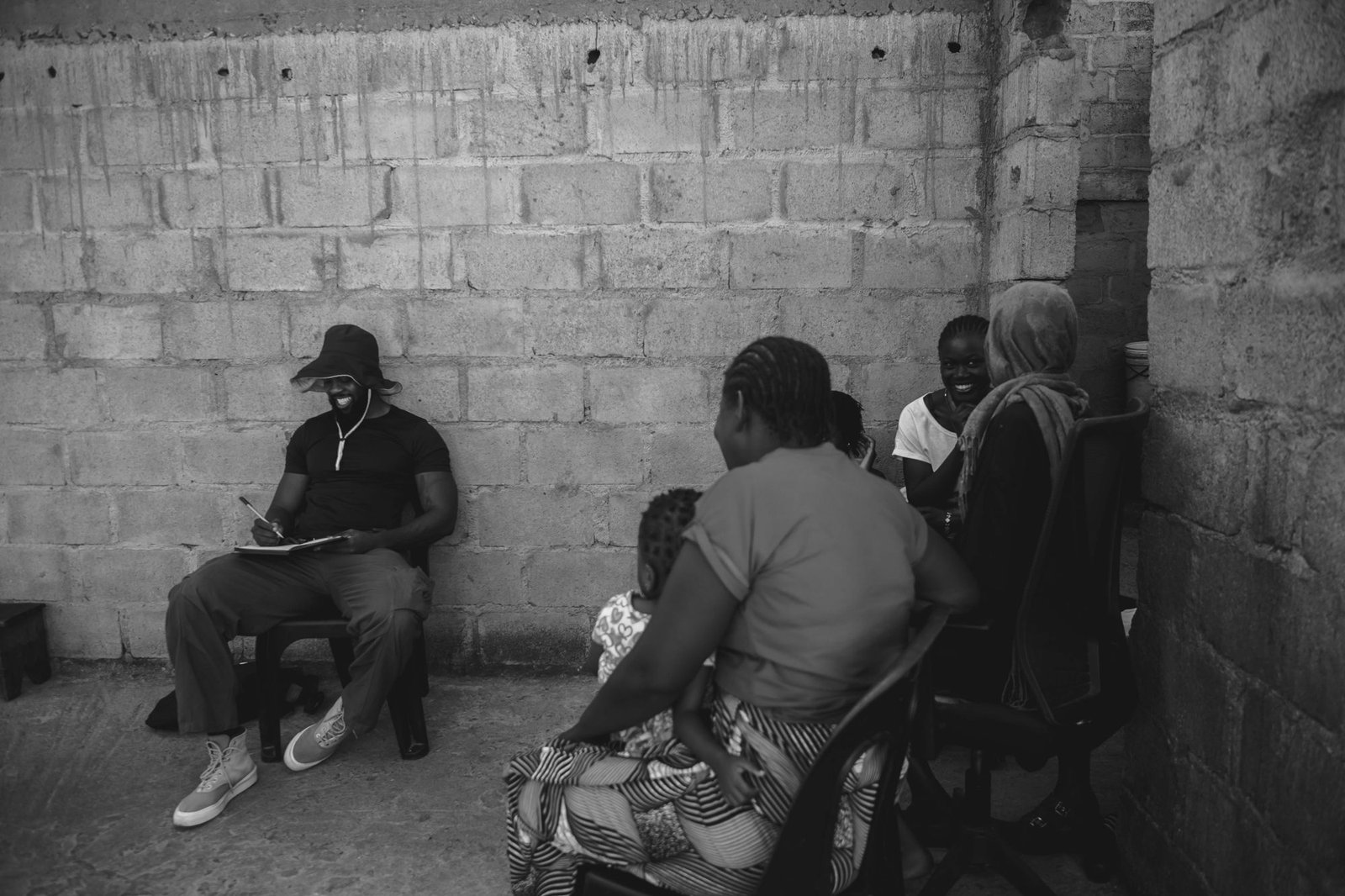
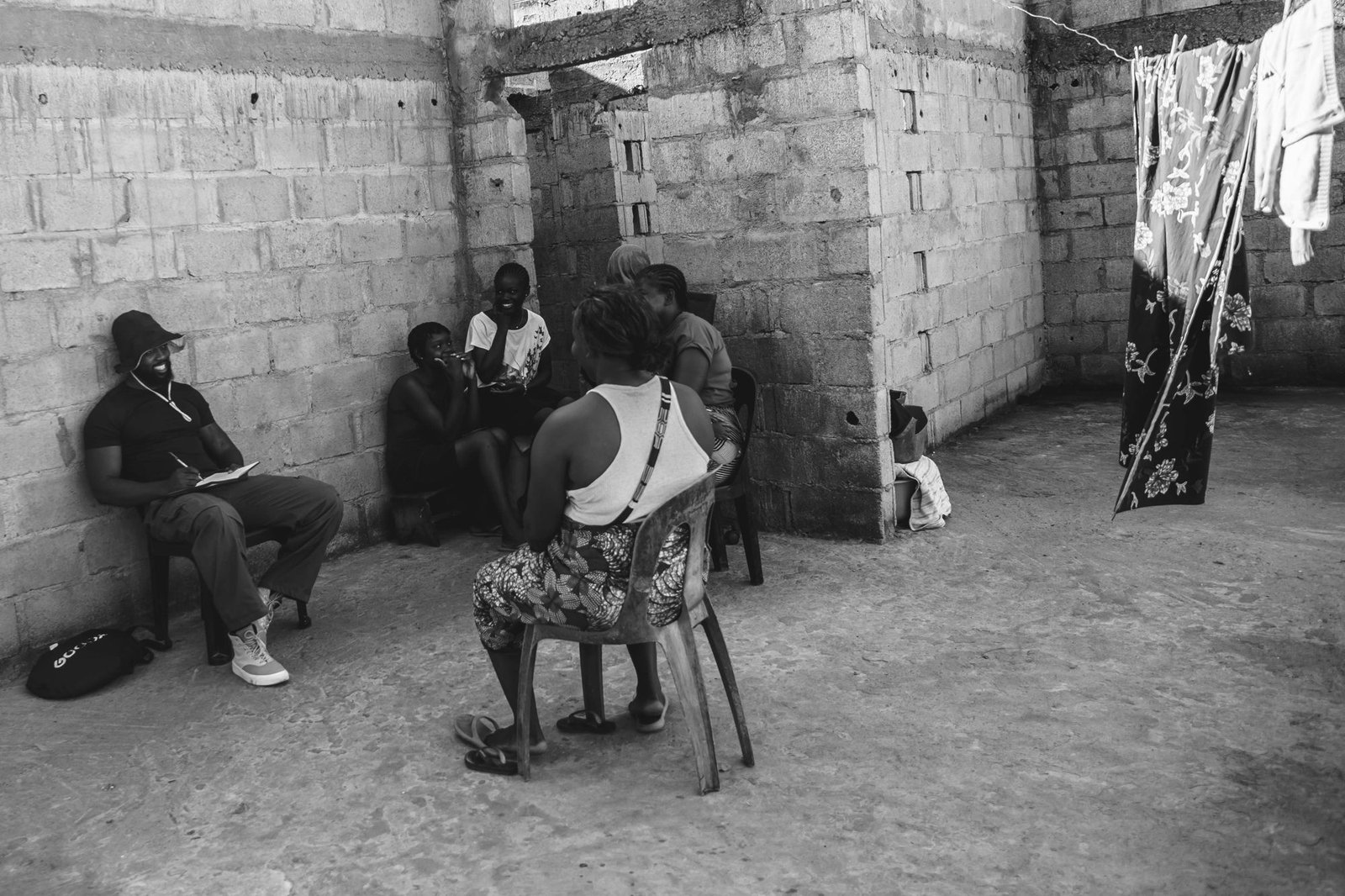
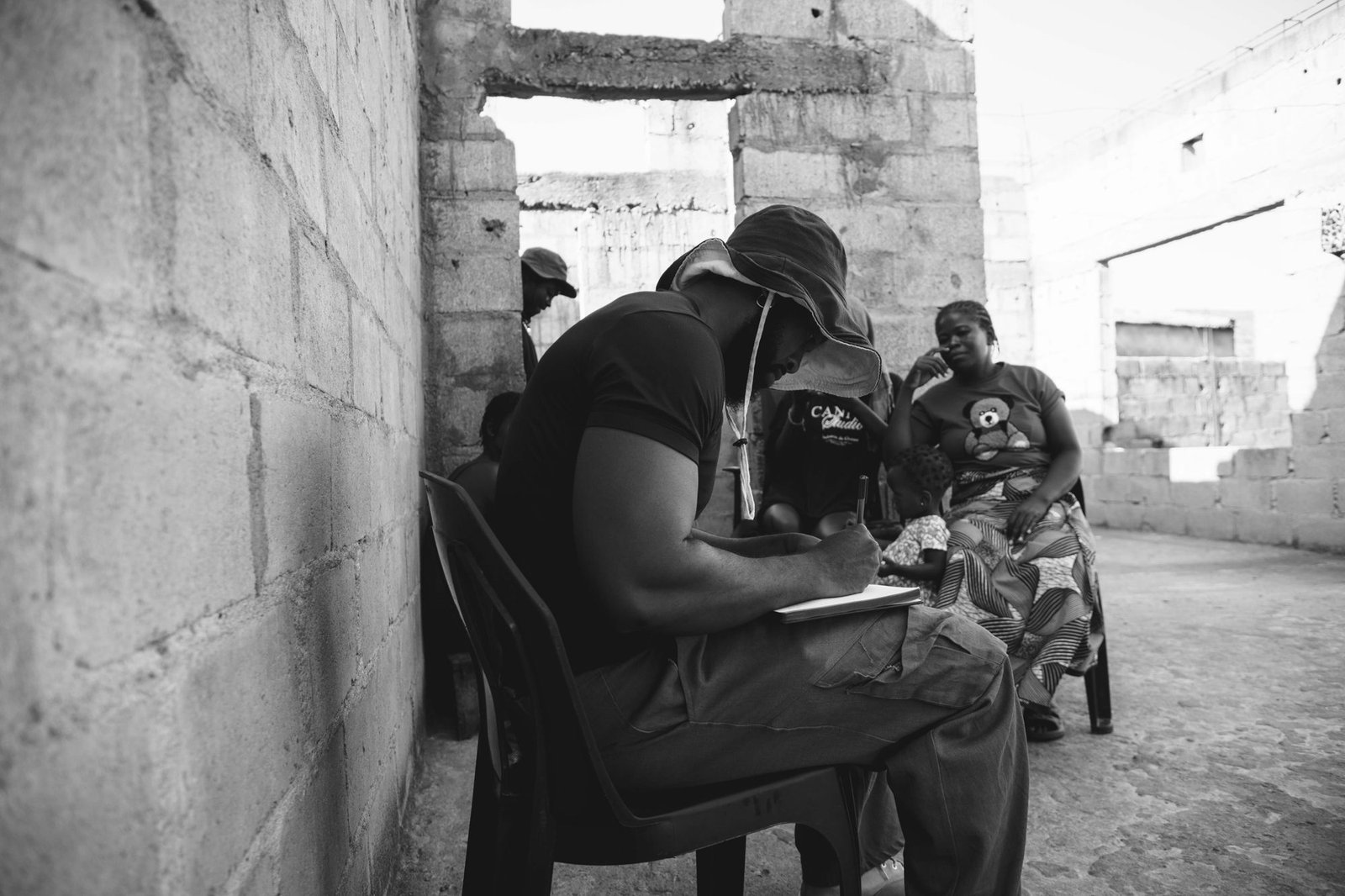
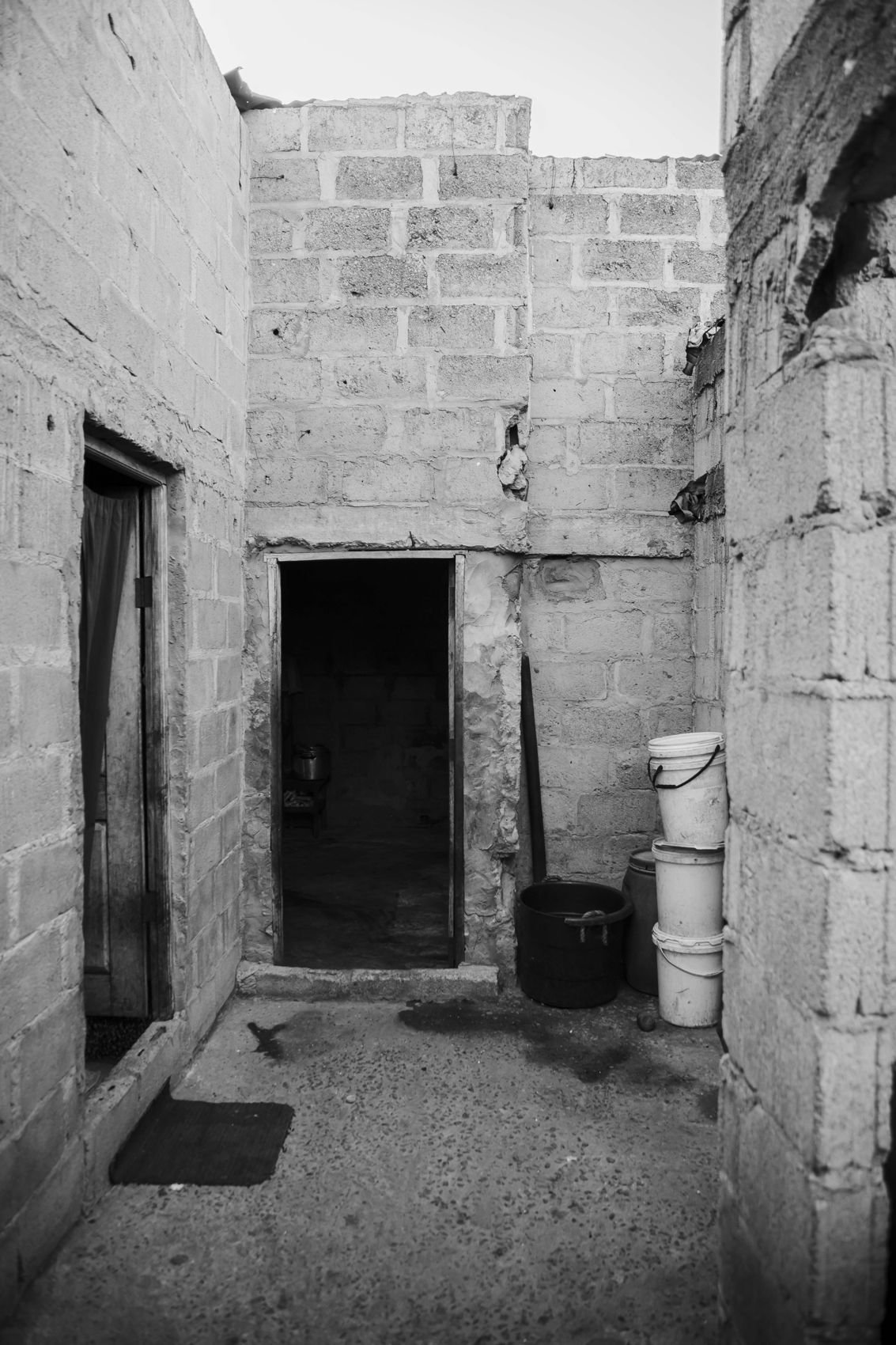
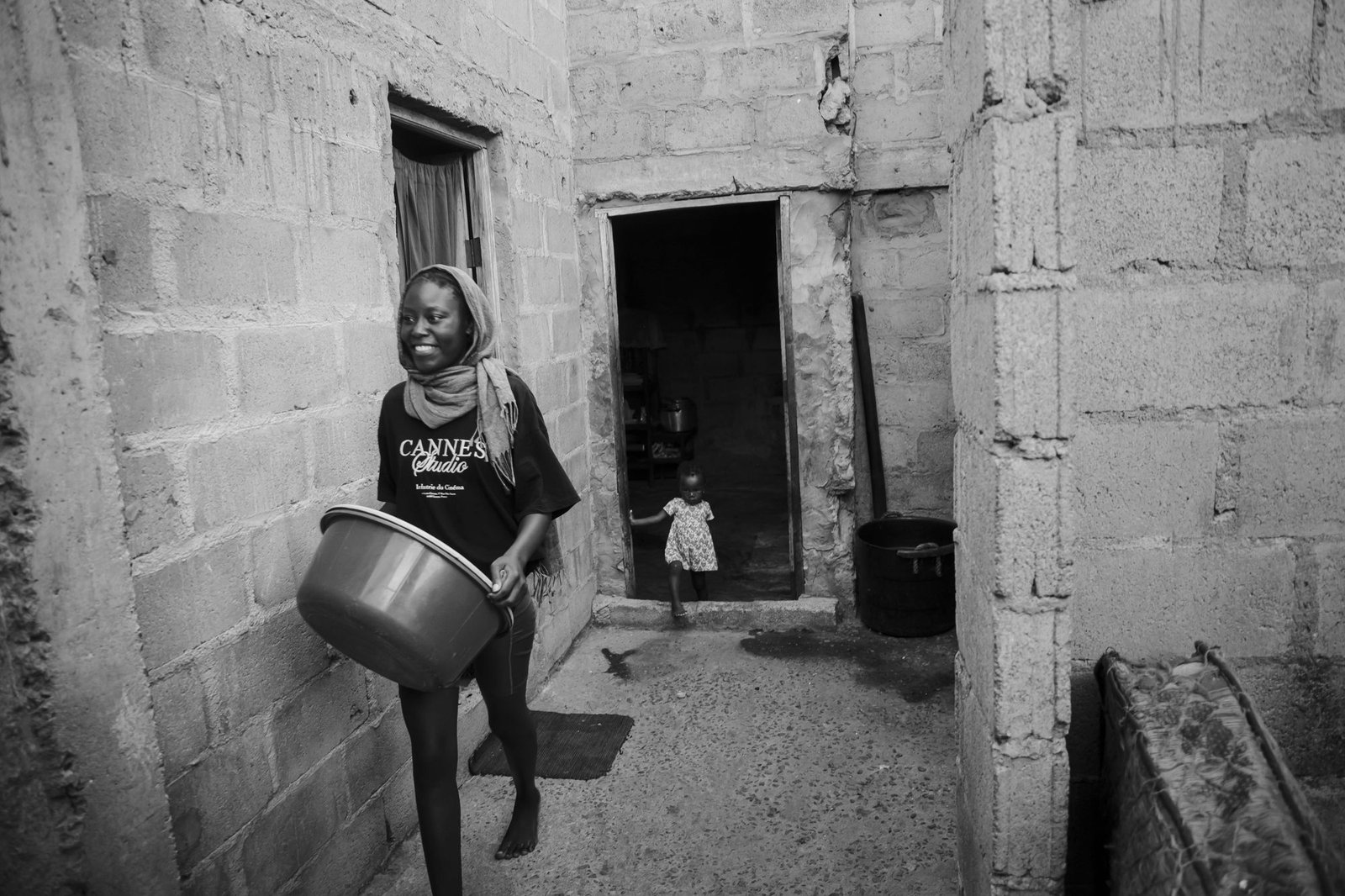
The interviews for this story took place at Emília’s home in Lihaze, with Emília, Flora and their families sitting together in the courtyard. Before any portraits were made, the conversations came first: about the trade, the money, the family and the women who taught them.